All Death Penalty Experiments
Every wheel outcome explained — luck spins, social traps, skill checks, and finale fights.
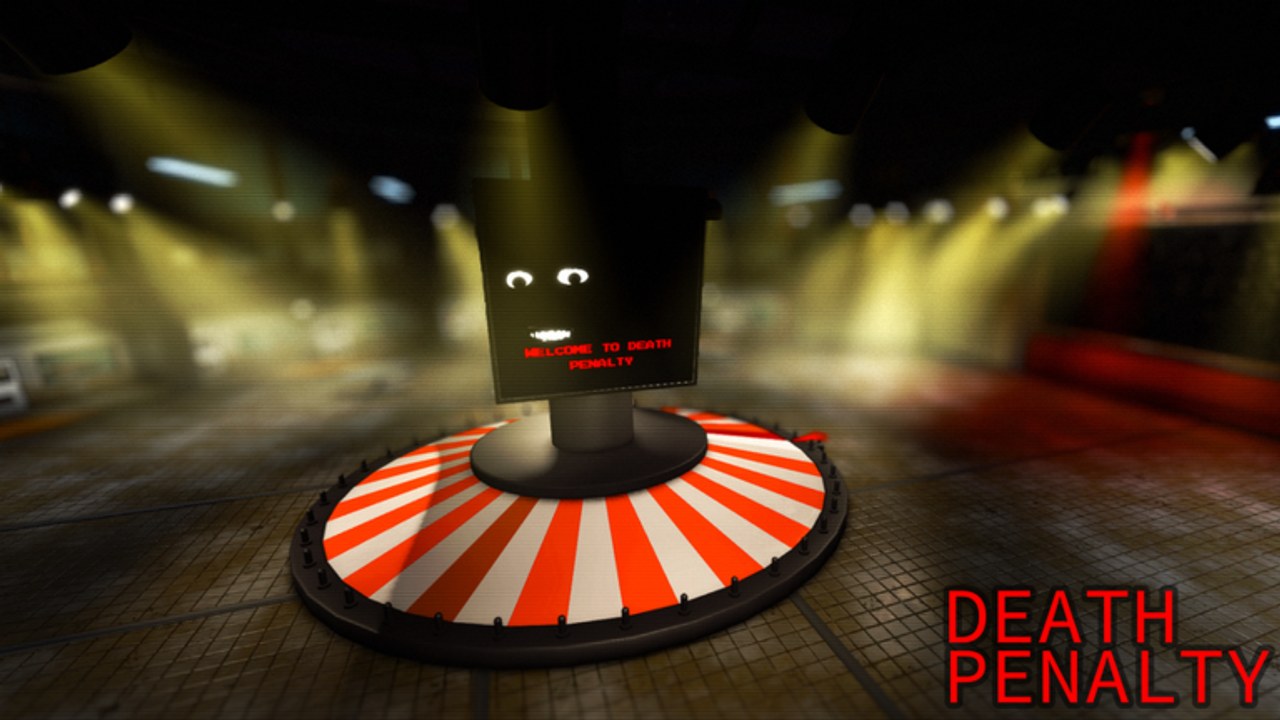
The Death Penalty wheel is the match. Nineteen experiments decide whether you die to luck, votes, trust games, parkour, or a final duel in the dark. This encyclopedia lists each experiment with practical tips. For deep dives on the two highest-attention skill checks, open Simon Says and the Duel guide. For staging advice across early, mid, and late game, use How to Survive.
Experiments can be naturally spun or, in many cases, pushed through Force Experiments near the cell block using Volts. Costs differ; Duel is often cited near 400 Volts. Currency details live on Volts and boosts. For Force costs and what cannot be Forced (often Five Buttons), see Force Experiments. Social trust rounds also have a dedicated Split or Steal guide.
Random Execution
Usually the opening trial. The wheel selects a subject at random and executes them. No skill expression. Tip: stay calm if you live; tilt after a lucky death next door ruins Favorites diplomacy. Immunity Collar gear can blunt some random elimination later, but nothing “plays around” the first spin perfectly.
Favorites
Among the most common experiments. Several nominees appear; the lobby votes whom to save; the least-supported nominee dies. With three nominees, the top save may lock in while the remaining two face a runoff-style second vote. Ties or zero votes still produce a death. Tip: vote blocs matter — save people who save you. Silent players become easy leftovers.
Duel
Two subjects, duel revolvers, red light then green. First valid green shot wins. Early shot adds delay. Both refuse and both die. Force cost is commonly ~400 Volts. Full timing guide: Duel guide.
Water Tank
Three random subjects enter a tank. Everyone else can stand on pads to raise the water. If water passes the white line in time, the trio drowns. Tip: count allies in the tank before you jump on pads. Filling is a group execution tool, not a minigame score chase.
Dropper
Survivors stand over trap doors. One chosen Dropper must pick someone to drop within a time limit (about 30 seconds). Fail to choose and the Dropper dies instead. Tip: if you are Dropper, decide early. If you are on a door, social bonds and recent betrayals decide your odds more than movement.
Handout
The wheel arms one subject with a disposable revolver that kills on hit. Tip: break line of sight immediately if you are not the holder. If you receive the gun, every shot rewrites the social map — expect revenge in Favorites later.
Simon Says
Obey only commands that begin with “Simon says” (line, table, crouch, jump). Bare commands are traps. The finale “kill someone” arrives without the prefix; guns appear; shooting can kill you. Rare. Deep dive: Simon Says.
Timebomb
A subject starts with the bomb and may pass it for a limited window (about 30 seconds). Whoever holds it when time expires dies. Tip: pass instantly; do not pose with the bomb for clips. Range quirks can sometimes reach odd positions — keep moving toward clusters you can tag.
Split or Steal
Classic prisoner dilemma for two subjects. Both Split: both live. One Steals: the Splitter dies and the Stealer receives a disposable revolver. Both Steal: both die. Tip: default Split with trustworthy partners; treat random Steals as creating a new Handout-like threat.
Showdown
Triggers for the final two. The wheel picks knife, revolver, pistol, or rifle energy, lights go down, and the fight continues until one remains. Firearms often favor headshots; ammo is effectively unlimited in the finale framing. Tip: inventory leftovers from Handout or Challenge can still matter depending on state — enter aggressive and composed.
Murderer
One subject receives a knife; lights drop; the Murderer hunts for a timed window. Tip: climb lockers and break sightlines. Grouping can help spot the killer but also creates easy multi-targets. Review How to Survive for hide routes.
Revive
A rare spin that can bring a dead subject who has not left back into the match through a drawer/corpse presentation. Tip: if you die, do not instant-leave if you hope for Revive or a paid coffin revive. Creepy presentation, high impact when it hits.
Massacre
The wheel decides how many subjects die (reported ranges up to double digits). Pure attrition. Tip: there is no counterplay beyond Immunity-style protection where applicable and raw luck. Mentally prepare for sudden multi-kills.
Linked
Two subjects are chained. They cannot fully separate; if one dies, the other dies. The chain breaks around four survivors left, and it can also clear when Showdown starts so the finale is not soft-locked. Tip: play hyper-safe as a pair until the break. Do not take ego Duels that orphan both lives.
Five Buttons
Russian-roulette buttons. Five buttons spawn; one is lethal. The wheel picks a presser; survive and the next presser faces remaining buttons, continuing until someone dies or all safe buttons are pressed (in which case nobody may die). Failing to press in time can kill you and advance the sequence. Tip: accept the odds; hesitation timeouts are worse than a clean 1-in-5. Community notes also say Five Buttons often cannot be Forced—confirm on the Force board and read Force Experiments.
Finders Keepers
The wheel selects a weapon type; that gun spawns in a room on the first or second floor (desk/drawer style spots). Limited ammo, still enough to reshape a lobby. Tip: memorize room layouts from Getting Started sessions. First player to the spawn becomes a temporary Handout king.
Chaos
Multi-player fight-to-the-last with wheeled weapons (pistol, revolver, knife, rifle pool). Often expensive or uncommon to Force; plays like a mid-match battle royale slice. Tip: take cover, avoid early open peeks, and treat it like Showdown with more bodies.
Last Pick
A starter nominates someone; nominations chain; the last remaining unchosen subject is executed. Fail to nominate in time and soft rules/bugs have been reported to end with everyone surviving. Tip: nomination order is social warfare — do not auto-point at your only ally.
Challenge
Orange platforms mark volunteers for a short jump map. First to finish lives and can receive a disposable revolver; other challengers die. If nobody finishes in time, challengers die. Blue platform players can skip the death path. Tip: only volunteer if you trust the parkour; otherwise favor blue safety when the rules allow.
How to study the wheel efficiently
You do not need perfect mastery of all nineteen on day one. Learn in tiers:
- Luck tier: Random Execution, Massacre, Revive.
- Social tier: Favorites, Split or Steal, Dropper, Last Pick, Water Tank pads.
- Item tier: Handout, Finders Keepers, Timebomb.
- Skill tier: Duel, Simon Says, Challenge, Chaos, Showdown.
- Status tier: Linked.
Watch the mid-article video once, then replay deaths in your head against this list. Cross-check Controls whenever crouch, reload, or shoot UI matters.
Force Experiments and rarity notes
Favorites shows up constantly. Simon Says, Massacre, and Revive are called out as rare in community writeups. Showdown is special-cased for final two rather than a normal mid-roster roll. Chaos may carry a heavy Force price in some versions. Always verify the live Force board near the cell block — patch changes happen.
Paid revive near the coffin (~500 Volts) is separate from the Revive experiment. One is a shop interaction with timing caveats; the other is a wheel gift. Do not confuse them when you plan a comeback.
Internal links for next reading
- Getting Started — lobby and first Random Execution.
- How to Survive — staging and hiding.
- Simon Says — prefix traps and finale guns.
- Duel guide — green light mastery.
- Volts and boosts — Force, collars, coffin revive.
- Controls — binds for crouch, block, reload.
- Guides Hub — full tutorial index.
Mastering Death Penalty means recognizing the icon before the teleport finishes. Use this page as the index, then drill the skill pages until red lights and Simon prefixes feel automatic.
Frequently Asked Questions
Quick answers for Death Penalty survivors.
How many experiments are in Death Penalty?
Community lists cover nineteen experiments, from Random Execution and Favorites through Chaos, Last Pick, and Challenge, plus finale Showdown behavior for the final two.
Which experiments are rarest?
Simon Says, Massacre, and Revive are frequently called rare. Favorites is among the most common. Always confirm live wheel weight after updates.
What is the difference between Revive and paying for a revive?
Revive is a rare wheel experiment that can restore a dead subject. The coffin-area purchase spends about 500 Volts with timing caveats and is a separate systems spend.
When does Linked end?
The chain breaks when roughly four survivors remain. Until then, linked partners die together if one is eliminated.
Where should I read more about Simon Says and Duel?
Use the dedicated Simon Says guide for prefix traps and the Duel guide for green-light timing and Force cost notes.